Acne is a skin condition that happens when your hair follicles (pores) get clogged with oil and dead skin cells. It can cause pimples, blackheads, whiteheads, and sometimes deep, painful bumps. Acne most commonly appears on the face, forehead, chest, upper back, and shoulders — the areas with the most oil glands.
According to the American Academy of Dermatology, acne is the most common skin condition in the United States, affecting up to 50 million Americans every year. While it is most common during the teenage years, acne can affect people of all ages.
What Causes Acne?
Acne develops when four things happen at the same time:
- 1.Your skin makes too much oil (called sebum)
- 2.Dead skin cells build up and clog your pores
- 3.Bacteria grows inside the clogged pore
- 4.The pore becomes inflamed (red and swollen)
Several things can trigger or worsen these steps:
- Hormonal changes — especially during puberty, pregnancy, and menstrual cycles
- Genetics — acne tends to run in families
- Stress — can trigger flare-ups
- Certain medications — including some birth control and corticosteroids
- Diet — some studies suggest dairy and high-sugar foods may worsen acne in some people
Types of Acne
Not all acne is the same. Knowing the type you have helps determine the right treatment.
Non-Inflammatory Acne
- Blackheads (open comedones) — pores clogged with oil and dead skin, open at the surface
- Whiteheads (closed comedones) — pores clogged and closed at the surface
Inflammatory Acne
- Papules — small, red, tender bumps
- Pustules — pimples with pus at the tip
- Nodules — large, painful lumps deep under the skin
- Cystic acne — deep, painful, pus-filled lumps that can scar
Acne Scars vs. Dark Spots
After acne heals, it can leave behind marks. It is important to know the difference:
Dark spots (post-inflammatory hyperpigmentation) are flat, discolored marks that fade over time. They are not true scars.
Acne scars are changes in the skin texture — like indentations or pits — caused by deep tissue damage. These do not go away on their own and need professional treatment.
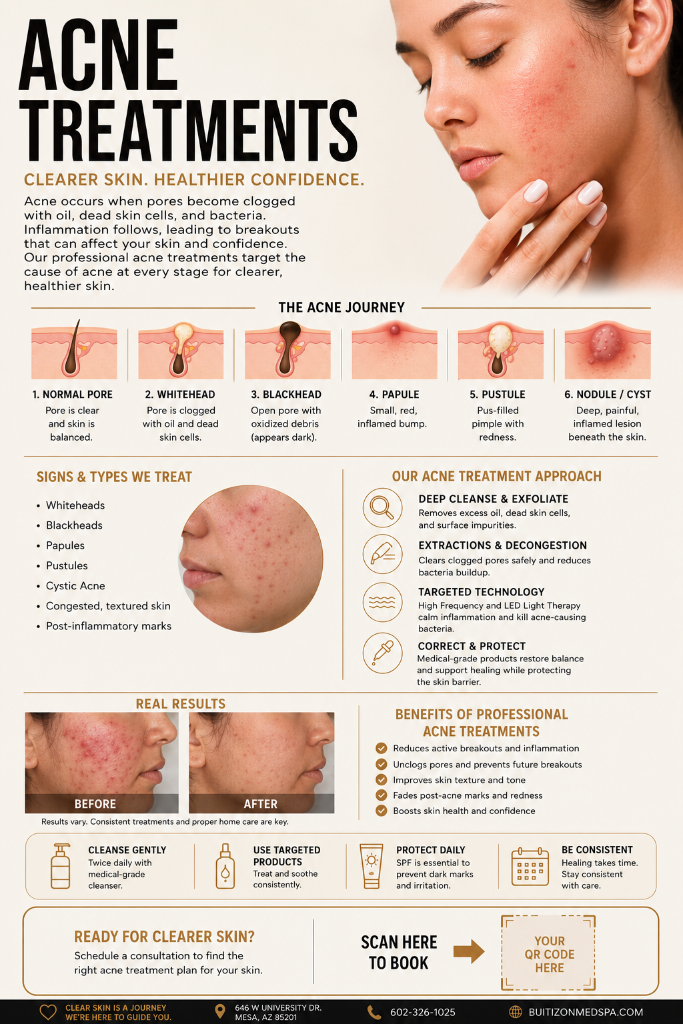
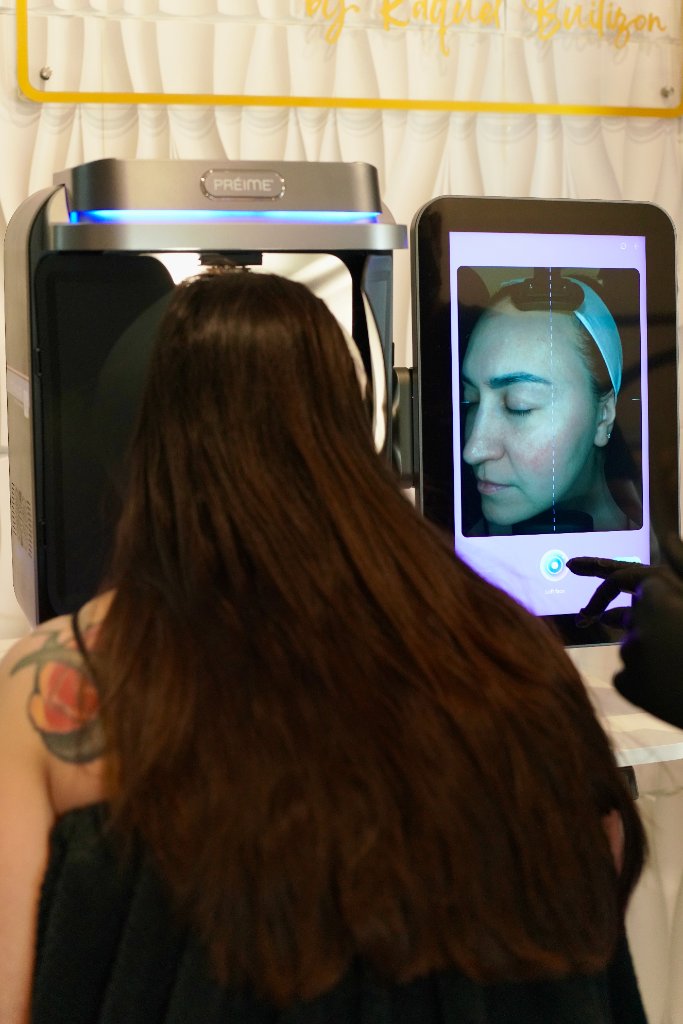
Buitizon MedSpa — Acne Treatments: Clearer Skin. Healthier Confidence.
The earlier you treat acne, the less likely you are to develop permanent scars. If over-the-counter products have not worked after 2 to 3 months, it is time to see a professional.
Choose Your Treatment Stage
Your acne journey is unique. Select the treatment that matches your current skin condition — from active breakouts to scar repair.
Inflamed & Active Acne
Professional deep-cleansing facial that removes excess oil, unclogs pores, and calms active inflammation. Best for current breakouts and stopping new ones from forming.
View This TreatmentRecovery & Acne Prone
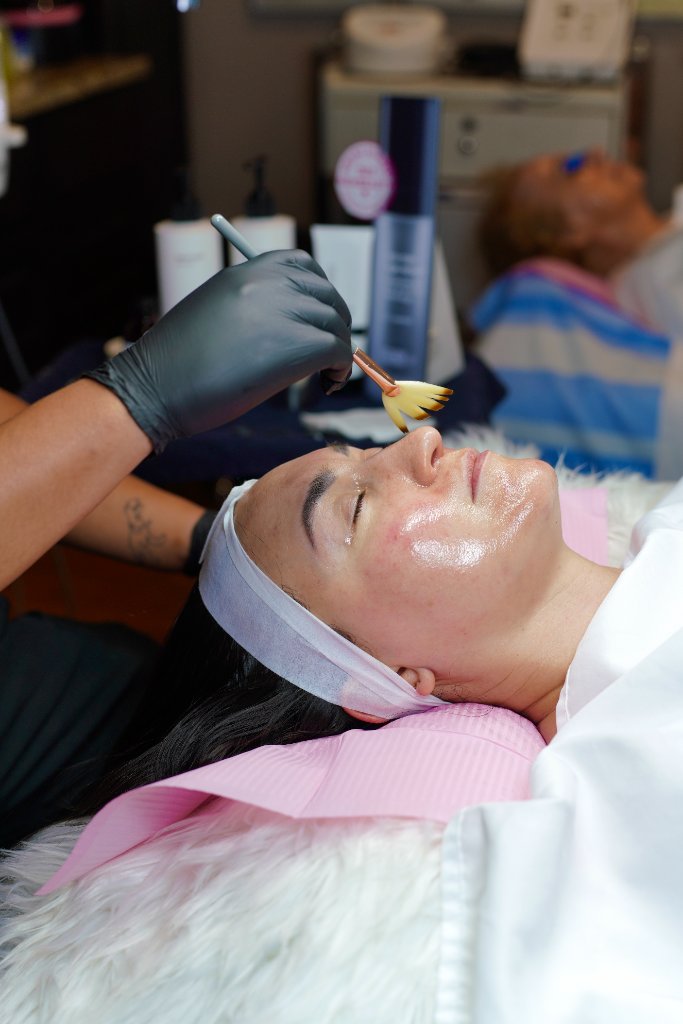
Pharmaceutical-grade peel that accelerates cell turnover, fades post-acne dark spots, and keeps pores clear. Ideal for skin in recovery mode.
View This TreatmentPitted Scars & Texture
Collagen induction therapy that rebuilds skin from within — the most effective option for deep acne scars, indentations, and uneven texture.
View This TreatmentSources & References
This article is based on information from the following credible medical sources. We encourage you to read more about each topic directly from these trusted organizations.
Ready to Take the Next Step?
Book a free consultation and we will assess your skin and build a personalized treatment plan.